Monday is a cold walk to the train, Wednesday a client lunch, Saturday two hours in the bleachers. One jacket has to cover all of it, and for most men the realistic candidates are a padded bomber and a men's puffer jacket.
The short answer: a bomber suits a mild winter and a week spent mostly in the city, moving between heated buildings. A puffer pays off once temperatures sit below freezing, the wind picks up, or you spend real time standing still outdoors.
Thin padding and lofted baffles warm you differently
A men's padded jacket in the bomber cut traps a thin, even layer of insulation, usually synthetic fiber, between a smooth shell and a lining. The ribbed collar, cuffs and waistband seal that warm air in, which is why a good bomber feels warmer than its thickness suggests while you're walking. The shape comes from military flight jackets such as the MA-1, issued to US pilots from the 1950s, and it keeps their short, waist-length body that leaves your hips uncovered.
A puffer jacket insulates by loft. Down clusters or synthetic fill sit in stitched compartments called baffles, and the more they puff up, the more still air lies between you and the cold. Down is graded by fill power, a measure of how much space an ounce of it fills; a higher number means more warmth for the same weight. Synthetic fill is heavier for the warmth it gives but holds more of its insulation when it gets damp, something down does poorly.

Stitching matters as much as the fill. Most everyday puffers are sewn through, so every seam is a thin line with no insulation, and in a hard wind you feel those lines. Box-baffle construction avoids them and turns up mostly on heavier cold-weather jackets.
How the two compare across a cold week
The differences show up less in a mirror than in what each jacket does on an ordinary weekday.
| Attribute | Padded bomber | Puffer jacket |
|---|---|---|
| Warmth | Moderate; best while you're moving | High; holds up while you stand still |
| Coverage | Waist length, rarely a hood | Often hip length, often hooded |
| Wind | Ribbed hem and cuffs block drafts, but the short body leaves hips exposed | Sewn-through seams can let cold in |
| Damp weather | Synthetic padding copes with drizzle | Synthetic copes; down needs a water-resistant shell |
| Bulk indoors and in a car | Slim, easy to sit in | Bulky; puffs up on a seat or in a crowded train |
| Layering | Fits over a sweater; rarely worn under another coat | Fits over a sweater; thin versions can go under a topcoat |
| Packing away | Folds flat but doesn't compress much | Down versions compress small |
| Dress codes | Works with chinos, wool trousers and loafers | Reads casual; sleek, matte versions dress up a little |
| Care | Most synthetic bombers machine wash | Down needs a gentle wash and a long, low-heat dry |
Read the table against your own calendar. If most of your outdoor time is under fifteen minutes between doors, the bomber's limits rarely bite. If you wait on platforms, walk a dog at dawn or watch kids' games, the puffer's warmth and length matter more than its bulk.
Where a bomber works best
A men's bomber jacket is the easier jacket to live with indoors. It doesn't swell when you sit, it hangs on the back of a restaurant chair without taking over the room, and it looks deliberate over a merino sweater or an oxford shirt. For driving it's the better pick, since a slim jacket won't bunch under the seatbelt or crowd the steering wheel.
Its weak spot is the cut. The short hem leaves your lower back and hips exposed, and in a strong wind that's where you'll feel the cold first. Choose a bomber with enough length to cover your belt when you raise your arms.
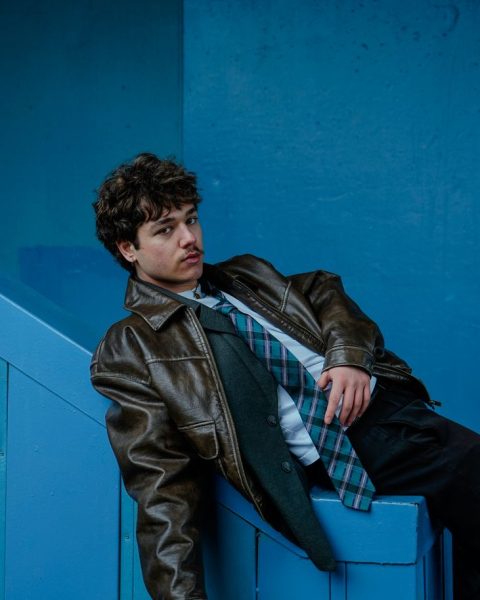
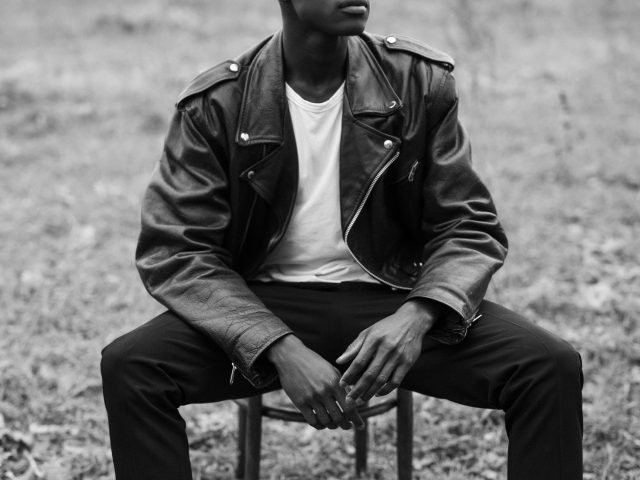
A leather bomber jacket is a separate decision. Leather blocks wind very well, but the hide itself adds little warmth: the lining decides how cold a day it can handle. Shearling-lined styles, descended from wartime sheepskin flying jackets, are genuinely warm and also heavy. A thin-lined leather bomber is really a fall jacket. Road salt and soaking rain stain and stiffen most leathers, so wipe the jacket down after slushy days and condition it when the surface starts to look dry.

Pick a puffer when you stand still outside
Standing is where cold wins. Walking makes heat, waiting doesn't, and a puffer's thick loft is built for exactly those idle minutes. Among men's winter jackets, it is one of the types best suited to a long bus wait or a snowy sideline.
Look for a few traits that matter more than the fill number on the tag:
- A hood that turns with your head and cinches, since much of your comfort in wind comes from a covered neck and ears.
- A hem that reaches past your hips, so sitting on a cold bench doesn't expose your back.
- A shell described as water-resistant if the jacket is down-filled and your winters bring wet snow.
- Sleeves that stay past your wrists when you reach forward.
Skip a huge fill rating if you live somewhere winters are wet but not bitter. A synthetic puffer can stay warmer through a week of sleet than a high-loft down jacket without a water-resistant shell, which loses much of its warmth once soaked.
Which jacket fits your kind of week
The right jacket depends on where your hours outdoors actually go, so match it to the week you live rather than the one in the ads.
- City commuter in a mild winter: a padded bomber over knitwear covers office, dinner and short walks, and it looks sharp with tailored trousers.
- Commuter in a cold northern city: a hip-length hooded puffer, because platform waits and wind tunnels between buildings punish a short hem.
- Daily driver: a bomber, or a thin puffer with flat channels, so the seatbelt sits snug against your body.
- Weekend outdoors and family sports: a synthetic-fill puffer that shrugs off damp benches and wet snow.
- One jacket for everything: a bomber-cut quilted jacket with light fill, which gives you the ribbed hem with a bit more insulation, at the cost of the warmth a full puffer brings.
Before you commit to either, try it on over the thickest sweater you'll actually wear and lift both arms overhead: if the hem rides above your belt or the shoulders pull tight, the jacket will feel colder on the street than any label suggests.