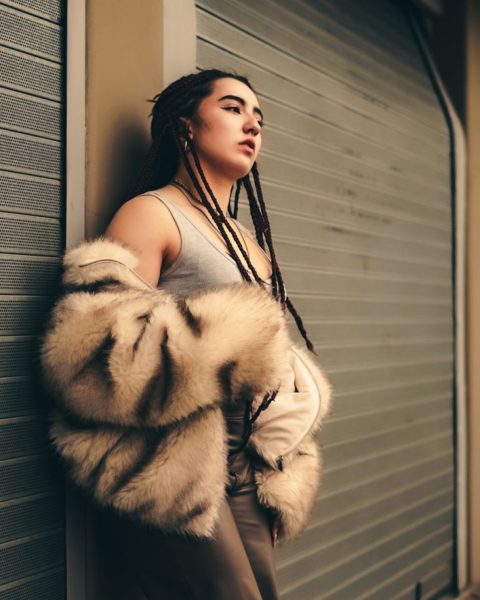
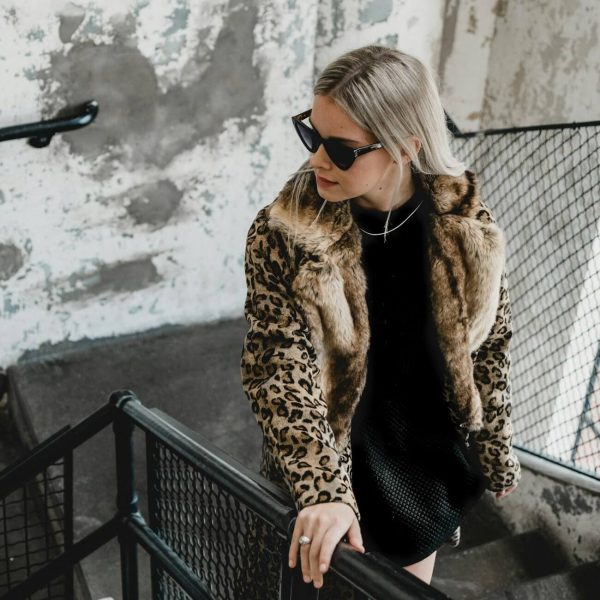
A leopard coat looks loud on the hanger, yet it's most useful on dull weekday mornings when you'd otherwise grab a plain black parka. The print is built from tan, brown and black, so it already sits comfortably over the neutrals most people wear all winter.
The approach that works with everyday winter outfits is simple: let the coat be the only pattern you wear, and keep everything under it in solid colors the print already contains. Get that right and the same coat goes with jeans on a Saturday and a wool dress on a Monday.
Build the outfit from the coat inward
Dressing in this order stops you from putting together a good outfit and then finding the coat fights it.
- Read the coat's background color. Classic leopard sits on a golden tan or caramel ground, which pairs with camel, chocolate brown, cream and black. Snow leopard prints and other gray-ground versions lean cool and look better with charcoal, navy and white.
- Pick two neutrals from the print. Black with cream, or brown with tan, covers most days. All black underneath is the easiest version and makes the coat the obvious focus.
- Add texture instead of a second pattern. A chunky knit, leather pants or a thick wool scarf gives the outfit depth without competing with the rosettes.
- Keep shoes and bag solid. Black or dark brown boots tie back to the darkest spots in the print; a cream or white sneaker picks up the lightest areas.
- Check the whole look with the coat buttoned. Outdoors, most of the outfit disappears, and what shows is your collar, sleeves, hem and shoes. Make sure those pieces agree with each other.

Jeans and knits for casual days
Dark denim is a reliable partner for a leopard coat. Blue isn't in the print, but indigo behaves like a neutral and cools down the warm tan. Straight or slightly wide legs balance a coat that ends at the knee or below; skinny jeans suit hip-length jackets, where a slim leg keeps the outline neat.
For casual winter outfits, a crew-neck or turtleneck sweater in cream, oatmeal or gray does most of the work. Add black leather ankle boots and you're dressed for a day of errands. On colder days, a gray hoodie under a cropped leopard jacket keeps the look relaxed.
If you want color, use exactly one solid accent: a red beanie, a burgundy scarf or an emerald sweater. Red works with leopard because it stands out clearly against both the tan and the black. Two accent colors at once tend to make the outfit look busy before anyone notices the coat.
Winter outfits with dresses: tights, boots and hemlines
A solid sweater dress is the simplest way to wear the coat over a dress. A black, camel or chocolate knit with opaque black tights and knee-high boots leaves no gap of cold skin between hem and boot. With tights, a higher denier number means a thicker, more opaque knit, which matters for warmth once temperatures drop.
Watch where the dress ends relative to the coat. A dress that shows an inch or two below the coat's hem looks accidental; either let the coat cover the dress entirely or choose one that falls clearly below it, such as a midi under a hip-length jacket.
For evenings, a satin slip dress in black or deep green over a fine-knit turtleneck makes the coat the dressiest part of the outfit. Heeled ankle boots work better here than knee boots, and gold or tortoiseshell jewelry repeats the warm tones in the print.
Fit and length on plus-size frames
Try the coat on over your thickest sweater, whatever your size; for plus-size winter outfits it's the step that decides everything else. The shoulder seams should sit at the edge of your shoulders, and the buttons shouldn't pull. Tension across the front stretches the print, so the rosettes distort right where they're most visible.
A coat that reaches the knee or mid-calf and hangs straight when open creates a long vertical line, especially over one color from neck to ankle, such as a black knit with black trousers. If you like to define your waist, a wrap or belted style does it without extra layers, and a belt in the coat's own fabric keeps the print uninterrupted.
Print scale is a matter of taste; no body type needs a particular size of rosette. Larger spots look bold and graphic, while a small, dense print reads almost as texture from across a room.
When the print starts to look like a costume
A leopard outfit that feels off usually has the print repeated or competing with something, most often in one of these ways:
- Leopard accessories worn with the coat. A leopard bag or shoes plus an animal-print coat turns a statement into a theme.
- Another pattern with strong lines, such as a bold plaid scarf. Fine black-and-cream stripes can work; heavy checks rarely do.
- Warm and cool grounds mixed, like a gray snow leopard coat with tan suede boots, so neither color family wins.
- Several bright, saturated colors underneath, which make the print look louder than it is.
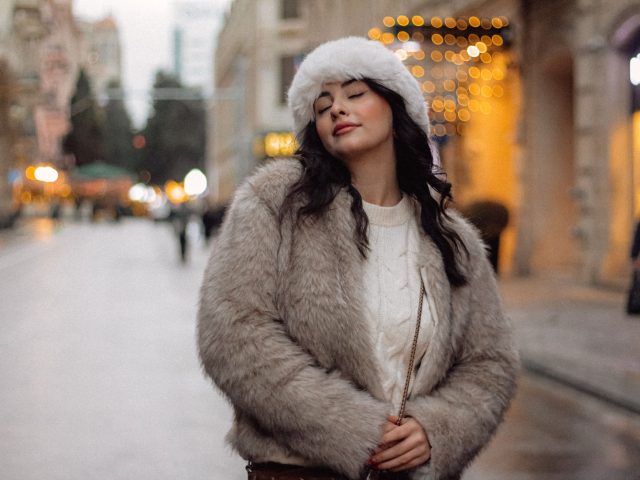
If your coat is faux fur, shake it out after snow or rain and let it dry on a wide hanger away from radiators, since direct heat can frizz or flatten synthetic pile. Once it's dry, smooth the pile with your fingers or a wide-tooth comb so the spots keep a clean outline.