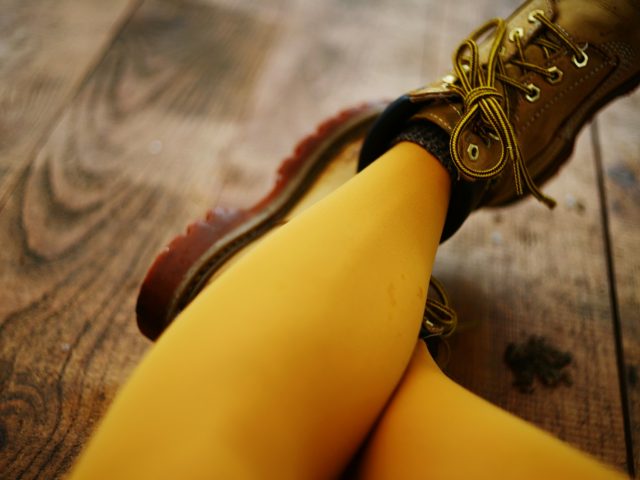
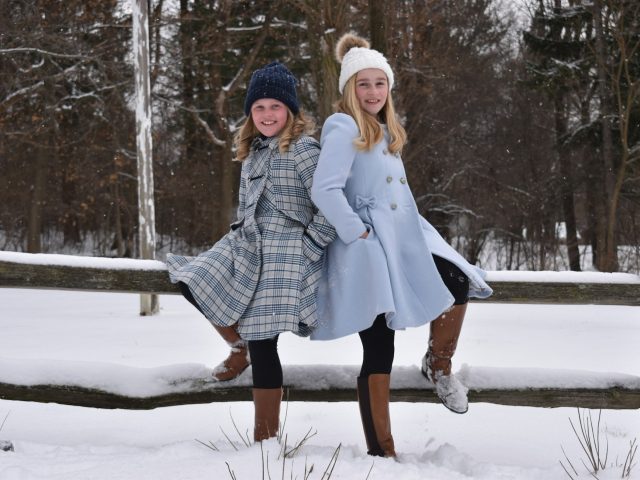
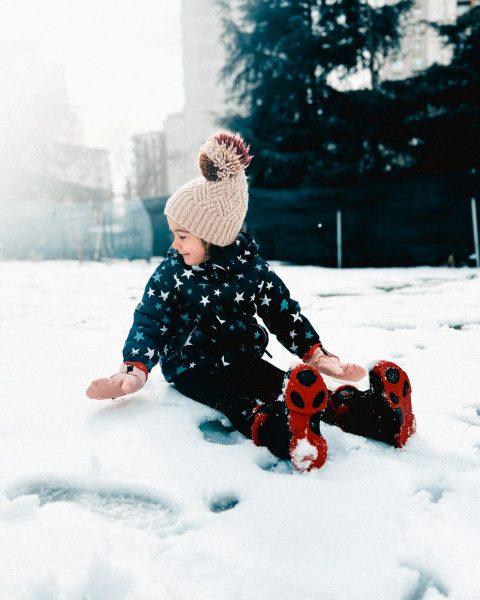
A pair of kids snow boots faces its real test at the bus stop at 7:30 a.m., and again at recess, when slush finds every weak seam. For a girl who builds snow forts or waits outside in the cold, three things decide whether her feet come home warm and dry: insulation suited to your winters, a waterproof lower that reaches high enough, and a fit with room for a thick sock but no heel slip.
Match the boot to the way she spends snow days
A child who walks a few blocks to school on plowed sidewalks needs less boot than one who spends Saturday on a sledding hill. For short trips and mostly cleared paths, a lighter insulated boot with a waterproof lower is enough, and it's easier to run in.
For long play in deep snow, look for a taller shaft, around mid-calf, and a snug collar or drawstring cuff that keeps snow from spilling in over the top. Where winters bring long stretches of subzero mornings, pac-style boots with a rubber shell and a removable felt or foam liner are worth their bulk, because the liner can come out and dry overnight.
The style-led boots in the girls' aisle, such as suede pull-ons with faux-fur trim, can be warm winter boots on dry, cold days, but suede soaks through in wet snow. Keep them for errands and give her a sealed pair for sledding.

Warmth depends on insulation, liners and socks
Insulation does most of the work, and more isn't always better. Thick insulation adds weight and stiffness, and a child who overheats while playing ends up with sweaty socks that chill fast once she stops moving. The warmest boots for snow are the ones that match how active she'll be and how cold it gets.
Synthetic insulation, such as 3M's Thinsulate, is common in children's boots. Some makers list the amount in grams; within one brand, a higher figure usually means a warmer boot. Comparing gram figures across brands tells you less, since the shell and liner change the result.
Temperature ratings on tags are a rough guide at best. No common standard sits behind them, and they generally assume a child who is moving and wearing good socks. If your winters often drop below a boot's rating, choose a warmer model.
A removable liner adds cost and bulk, but it's worth paying for if she wears the boots every day: you can pull it out to dry, and some makers sell replacements. Check that the footbed is insulated too, since cold comes up through the sole when she stands still on packed snow.
Socks finish the job. Wool and synthetic winter socks keep insulating when damp, while cotton holds sweat against the skin. One good pair works better than two thin layers that squeeze her toes and restrict circulation.
Waterproofing has to reach high enough
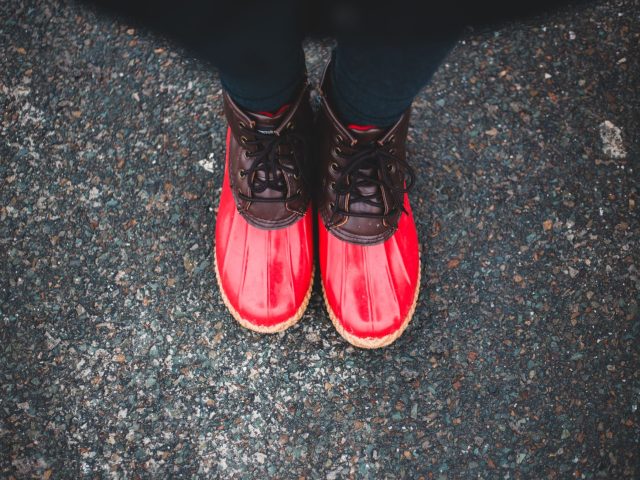
Water-resistant leather or nylon sheds a dusting of snow but soaks through once she kneels in slush. In truly waterproof winter boots, the lower part is molded rubber or a sealed synthetic, or the upper has a waterproof membrane (Gore-Tex is one well-known example) with taped seams.
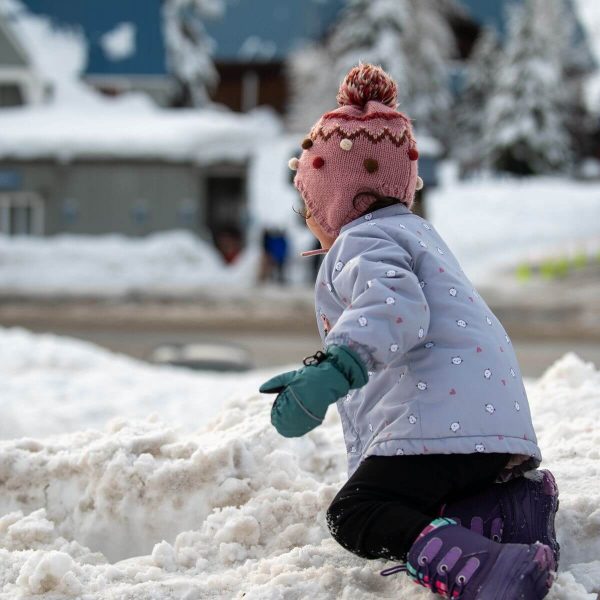
Look at where the protection stops. Many boots for snow have a rubber shell only a few inches high, with fabric above it. That works for walking on sidewalks, but a child standing in drifts needs a taller shell or a fully waterproof upper.
Some details give away a boot that will leak, whatever its tag says:
- stitching that runs through the rubber shell, where water can wick in
- a tongue attached only at the bottom, so snow gets in through the lacing; a gusseted tongue, sewn to the sides, closes that gap
- a "waterproof" label that doesn't say whether a membrane, a rubber shell or sealed seams does the work
- a zipper running low on the boot with no fabric gusset behind it
If you're shopping for waterproof boots for snow play, check those four points before you look at price or brand.
Deep, spaced lugs help her grip
Snow packs into shallow, tightly spaced tread, and a packed sole grips about as well as a sled. Look for deep lugs with gaps wide enough for snow to fall out as she walks, set in a pattern that runs in several directions so she can stop as well as go.
The rubber matters as much as the pattern. Bend the sole by hand; if it's stiff at room temperature, it will be stiffer on a frozen playground, and stiff rubber slides. A slightly raised toe also helps a child who shuffles, because a flat, blunt toe catches on ruts and steps. Treat any claim of ice grip as one feature among several: no tread makes sheer ice safe.
Leave room for a winter sock, not a whole size
As a rough guide, aim for about a thumb's width, roughly half an inch, between her longest toe and the end of the boot, measured while she wears the socks she'll actually use. Buying two sizes up to last two winters backfires. Her heel lifts with every step, the extra space is cold air the boot has to warm, and loose boots trip kids on stairs.
Try boots on late in the day, when feet are slightly larger, and have her stand, walk and crouch. Her heel should stay put, and her toes shouldn't hit the front when she kneels.
Closures decide whether she can manage alone at recess. Hook-and-loop straps and wide openings suit younger children; toggle laces give older kids a snugger ankle. Weight counts too, since heavy boots tire small legs, so pick the lightest pair that meets your warmth and height needs.
Last checks before you pay
A few quick checks catch problems the shelf tag won't show:
- Pull out a removable liner and put it back, making sure it sits flat at the heel without bunching.
- Check that the shaft fits under the inner cuffs of her snow pants, since a wide boot leaves a gap where snow gets in.
- Read the care label to see whether the liner can be washed and how the boot should be dried.
- On hand-me-downs, press the insulation and look at the lugs; flattened lining and worn tread mean less warmth and less grip.
At the end of each day, stand the boots with liners out at room temperature, away from radiators and heat vents, because direct heat can crack rubber and shrink liners, and boots that start the morning damp keep her feet cold all day.