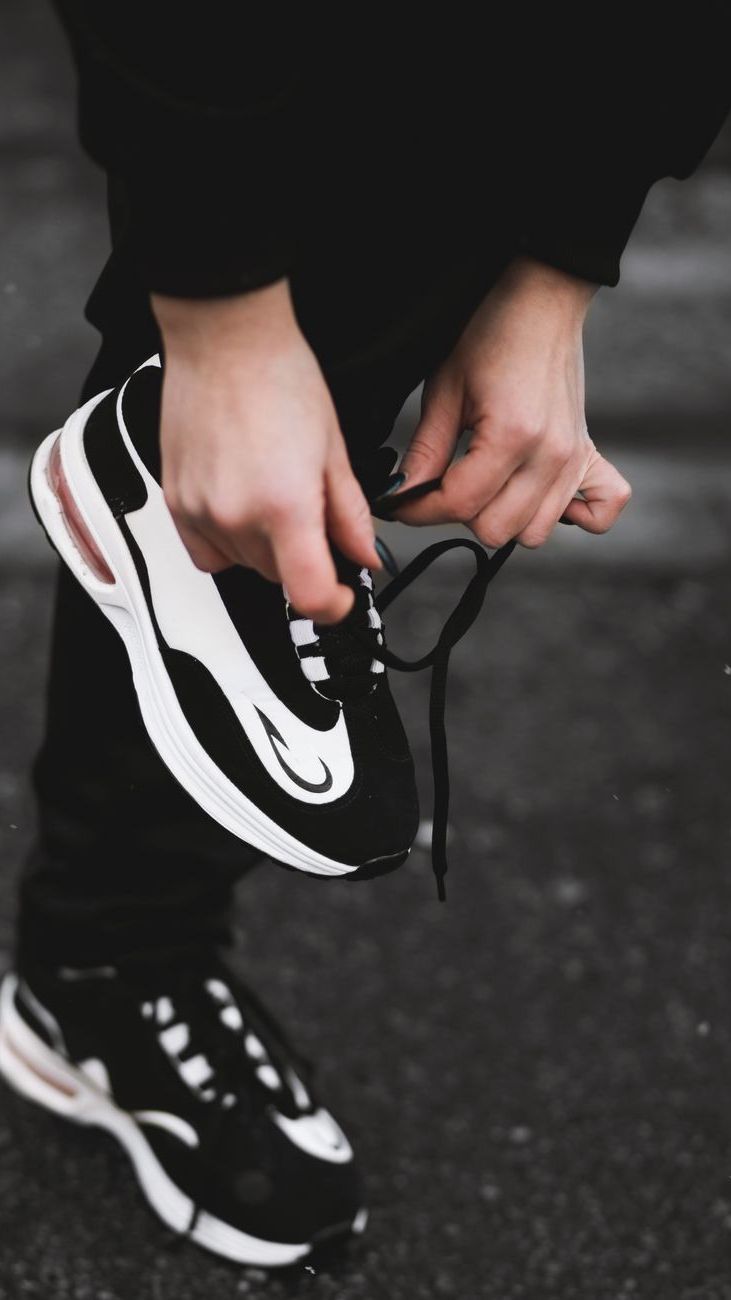
Running Shoes for Boys: Which Technologies Really Matter for Comfort and Safety?
Running Shoes for Boys: Which Technologies Really Matter for Comfort and Safety?
Shopping for running shoes for boys can feel like decoding a list of technical claims. Foam names, mesh panels, and “high-energy” soles may sound impressive, but the best choice is the one that fits well and supports how a child actually runs. For everyday play, school activities, and organised running, prioritise fit, grip, comfort, and durability over flashy features.
Start with Fit, Not Features
A shoe should hold the heel securely without rubbing, while the toes have room to spread and move. Check fit with the socks your child will wear, and shop later in the day if possible, when feet may be slightly larger. Leave a small amount of growing room, but avoid shoes so oversized that the foot slides around. A poor fit can cause blisters, make running awkward, and undermine even the most advanced running shoe technology.
Children’s feet grow quickly, so check the fit regularly rather than relying on the size printed inside the shoe. Ask your child how the shoes feel while walking and jogging. Pressure points, numbness, or a heel that slips are reasons to try another size or shape. Comfort is personal: a shoe that feels great on one child may not suit another.
Cushioning and Shock Absorption
Many cushioned running shoes use foam in the midsole to soften impact. Some cushioning can make hard surfaces feel more comfortable, but extra softness is not automatically safer or better. Look for a stable, flexible feel that lets your child move naturally. Shock absorption technology varies by brand, and marketing labels do not guarantee a measurable benefit. A balanced sole and secure fit matter more than the biggest stack of foam.
Breathability, Weight, and Traction
Breathable kids’ trainers often use mesh uppers that allow air to circulate and help feet feel less hot during active days. Check that the material still feels sturdy around the sides and toe, where rough play can cause wear. Lightweight running shoes may feel less tiring, but they should not sacrifice a supportive fit or durable construction. For playgrounds and pavements, a flexible rubber outsole with dependable tread helps provide grip. Match the tread to the surfaces your child uses most, and replace shoes when the sole is worn smooth.
Choosing Shoes for Real Life
Not every pair needs race-day features. Boys’ running trainers for school or casual exercise should be comfortable, easy to fasten, and suitable for daily use. Laces can offer a close fit when tied securely; hook-and-loop straps may be simpler for younger children. If your child runs regularly, consider a running-specific design, but avoid buying a shoe just because it is labelled the best running shoes for kids. Try it on and judge how it feels in motion.
To find comfortable running shoes for boys, involve your child in the fitting and check both feet, since they may differ slightly in size. Look for a secure heel, enough toe room, breathable materials, useful traction, and cushioning that feels stable. The right kids’ running shoes should support active movement without distracting from it. Technology can help, but fit and comfort remain the features that matter most for everyday safety.