Soft or Hard Soles: Which Shoes Are Best for Baby Girls Learning to Walk?
Soft or Hard Soles: Which Shoes Are Best for Baby Girls Learning to Walk?
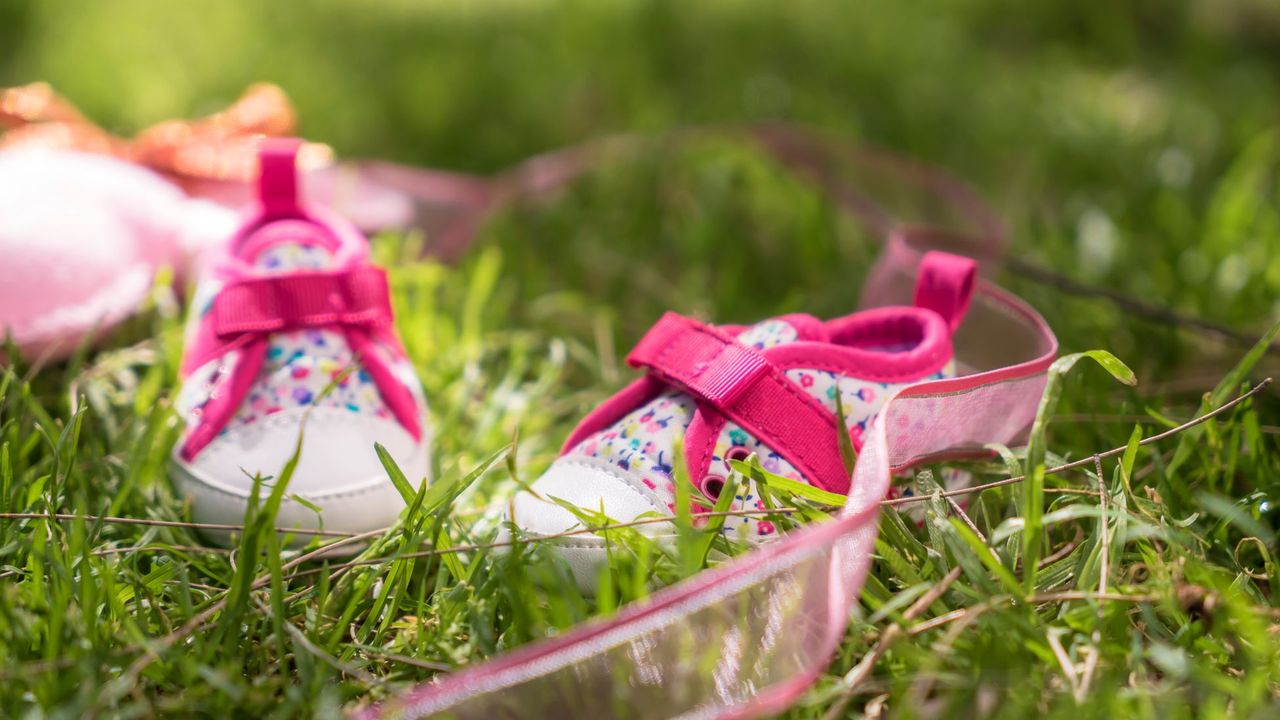
When a baby girl begins pulling up, cruising, and taking those first wobbly steps, choosing shoes can feel like a major decision. Should you buy soft sole baby shoes or hard sole baby shoes? For most new walkers, the best choice is not simply “soft” or “hard.” Look for a secure, comfortable shoe with a flexible sole that protects little feet without restricting natural movement.
Why flexibility matters
During toddler foot development, babies use their toes and the soles of their feet to feel the ground and balance. Indoors, when the floor is safe and warm, bare feet—or non-slip socks—often allow the most freedom. Outdoors, baby walking shoes provide protection from rough surfaces, cold, and sharp objects. A lightweight shoe that bends easily at the ball of the foot can offer that protection while still letting the foot move.
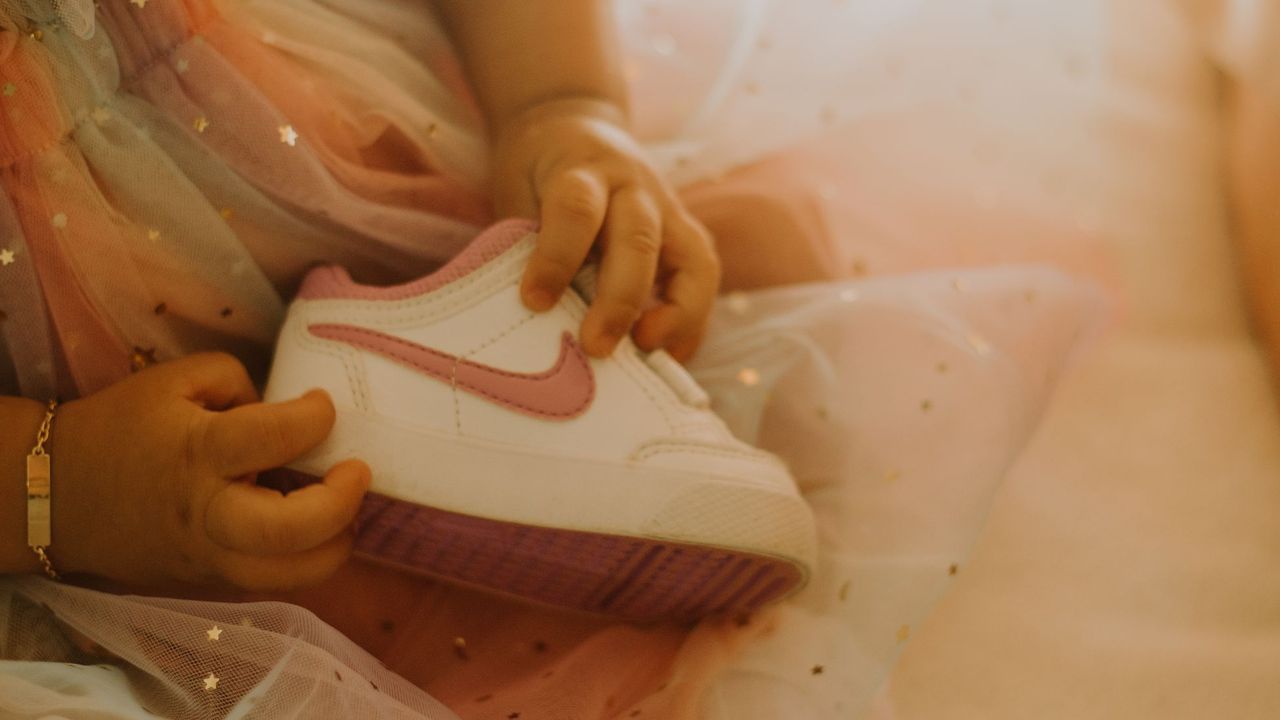
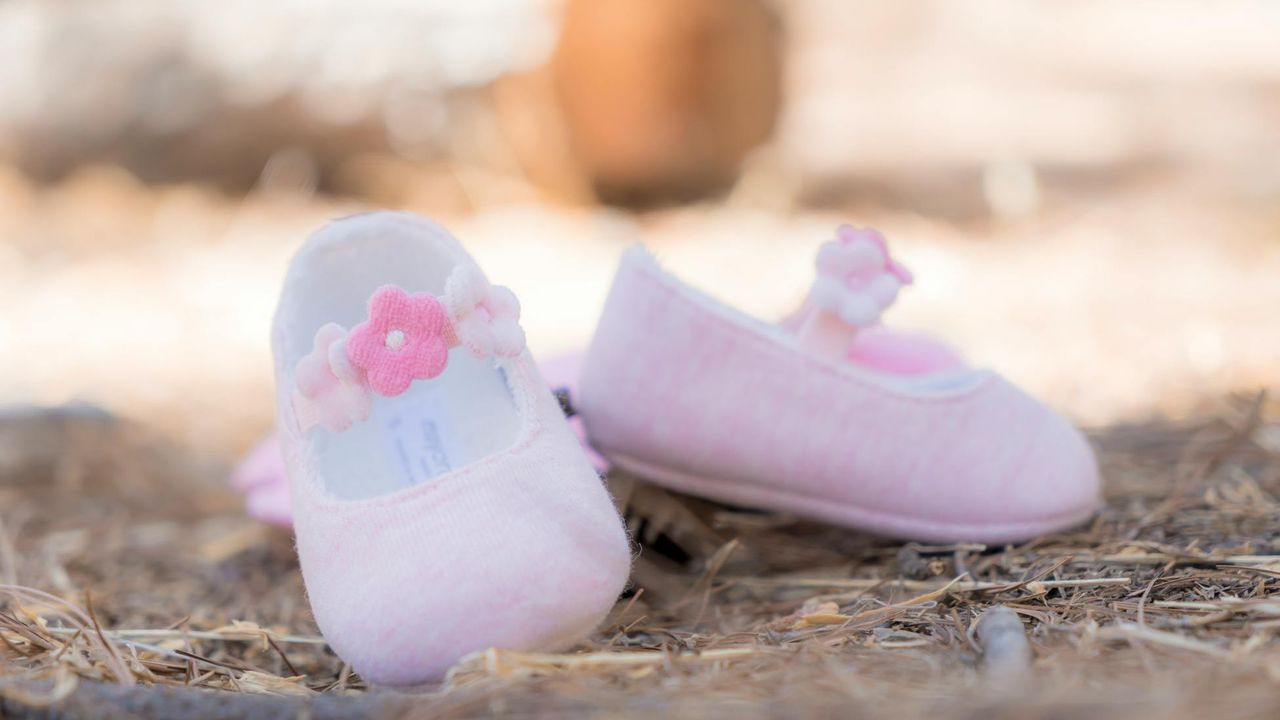
Many soft sole baby shoes suit crawling and early cruising, especially indoors. They are light and flexible, but may not offer enough grip or protection for every outdoor surface. A very stiff sole can also make walking less comfortable for a beginner. Rather than choosing by label alone, gently bend the shoe: it should flex where the toes bend, while staying secure around the heel.
What to look for in first steps footwear
- Flexible, grippy sole: Choose flexible sole shoes with traction to help reduce slipping. Avoid soles so thick or rigid that they prevent natural bending.
- Room for toes: A broad toe box lets toes spread. The shoe should not squeeze or overlap them.
- Secure fit: Adjustable straps, laces, or well-fitting closures help keep shoes on without pinching. The heel should not slip excessively.
- Lightweight materials: Breathable, soft materials can help keep comfortable baby shoes pleasant to wear.
Hard sole baby shoes can be useful when a toddler needs more durable protection outdoors, but “hard sole” should not mean inflexible or heavy. Stiff, bulky shoes may make early walking harder. For everyday use, prioritise a stable fit, traction, and a sole that bends naturally. The best shoes for toddlers are the ones that protect the feet and allow comfortable movement—not shoes designed to correct a normal walking style.
Getting the right fit
Measure both feet while your child is standing, and fit shoes to the larger foot. Check the fit regularly because little feet grow quickly. There should be a small amount of space in front of the longest toe, but avoid buying shoes several sizes too large. Watch for redness, blisters, toe marks, or a child frequently trying to remove the shoes; these may signal a poor fit.
This baby girl shoe guide has one simple takeaway: choose footwear for the surface and the child’s comfort. Bare feet are often fine in safe indoor spaces; outside, select lightweight, well-fitting baby girl first walking shoes with a flexible, non-slip sole. If your child has persistent pain, an unusual gait, or you have concerns about development, ask a paediatrician for guidance.