Lightweight or Insulated: Which Outerwear Is Best for Boys?
Lightweight or Insulated: Which Outerwear Is Best for Boys?
When it comes to choosing the right outerwear for boys, the options can be overwhelming. With so many styles, materials, and features to consider, finding the perfect jacket or coat for your little one can be a daunting task. One common dilemma parents face is deciding between a lightweight jacket and an insulated jacket. Both options have their own set of benefits and are suitable for different occasions and weather conditions. In this kids outerwear guide, we will explore the differences between lightweight and insulated jackets to help you make an informed decision.
Lightweight Jacket for Boys
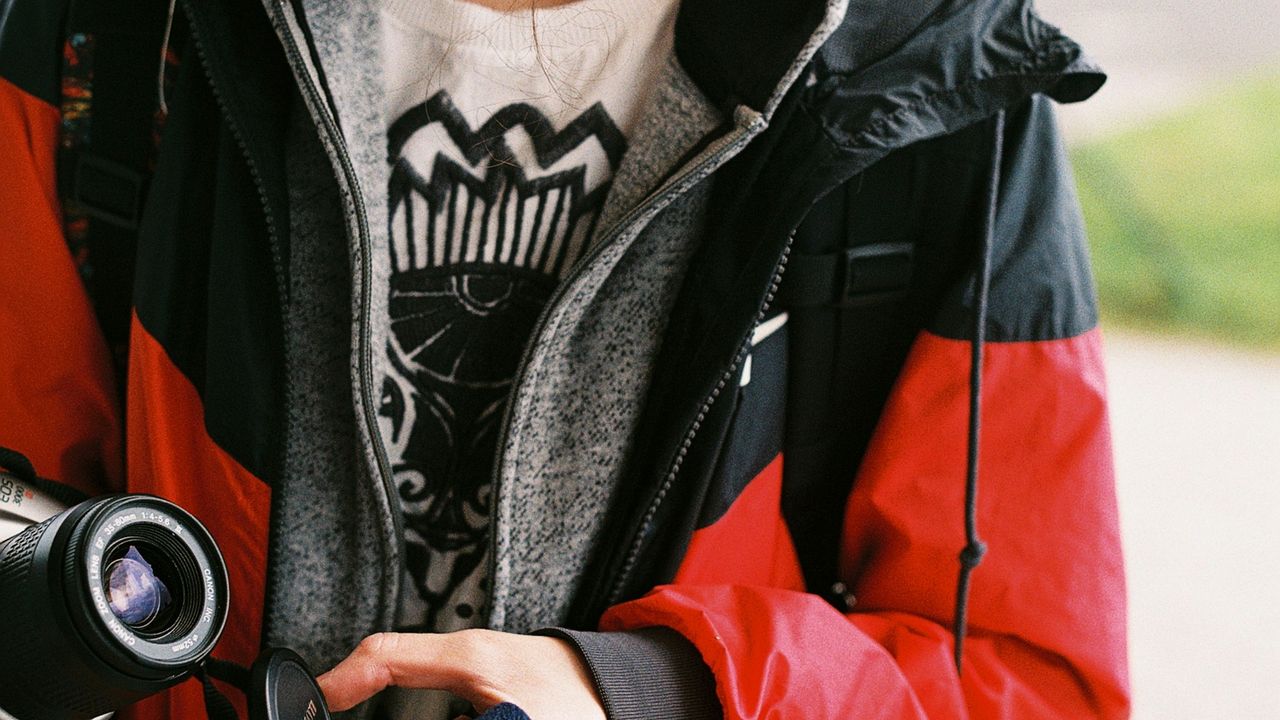
A lightweight jacket is a versatile piece of clothing that can be worn in various seasons. These jackets are typically made from thin materials such as nylon, polyester, or fleece, making them breathable and comfortable to wear. Lightweight jackets are perfect for transitional seasons like spring and autumn when the weather can be unpredictable. They provide a light layer of protection against wind and light rain, keeping your little one comfortable without overheating.
Lightweight jackets are also ideal for active boys who enjoy running, playing, or engaging in outdoor activities. Their lightweight design allows for freedom of movement, making them a practical choice for energetic kids. Whether your child is going to school, playing in the park, or running errands with you, a lightweight jacket offers the right balance of style, comfort, and functionality.
Insulated Jacket for Boys
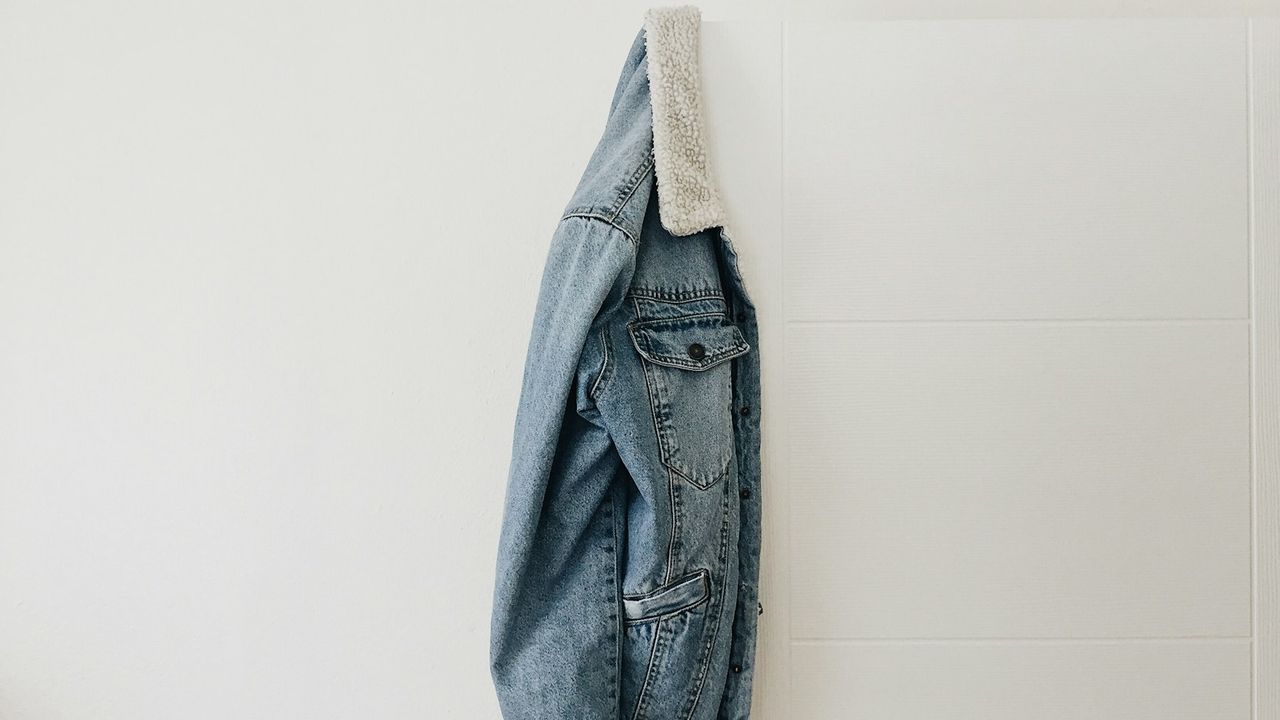
On the other hand, an insulated jacket is specifically designed to provide warmth and protection in cold weather conditions. These jackets are filled with materials such as down, synthetic fibres, or fleece, which trap heat and keep your child cosy in chilly temperatures. Insulated jackets are the go-to option for winter, snow days, or any other cold-weather activity.
Insulated jackets come in various thicknesses and warmth levels, allowing you to choose the right one based on the climate and activity level. Whether your child is building a snowman, sledging down a hill, or simply walking to school on a frosty morning, an insulated jacket will keep them toasty and comfortable throughout the day.
Lightweight vs Insulated Jackets
When deciding between a lightweight and insulated jacket for your boy, consider the specific needs and preferences of your child. If your little one is constantly on the move, prefers a lighter layer of clothing, and is mostly active in mild weather, a lightweight jacket may be the better option. However, if your child is sensitive to cold temperatures, enjoys playing in the snow, or needs extra warmth during the winter months, an insulated jacket is the way to go.
Children's Outerwear Tips
Regardless of whether you choose a lightweight or insulated jacket for your boy, there are a few essential tips to keep in mind when shopping for children's outerwear. Always consider the quality of the material, the durability of the jacket, and the ease of care and maintenance. Look for features like adjustable hoods, cuffs, and hemlines to ensure a snug fit and maximum protection against the elements.
Additionally, involve your child in the decision-making process by letting them choose a style or colour they like. When kids feel comfortable and confident in their outerwear, they are more likely to wear it without complaints. Lastly, don't forget to check the size and fit of the jacket to ensure your child can move comfortably and stay warm without feeling restricted.
Conclusion
Choosing the best jackets for boys involves considering various factors such as weather conditions, activities, preferences, and functionality. Whether you opt for a lightweight jacket for mild weather or an insulated jacket for cold temperatures, prioritise your child's comfort, safety, and style. By understanding the differences between lightweight and insulated jackets, you can make an informed decision that meets your child's needs and keeps them protected throughout the year.