Waterproof Outdoor Footwear: Do You Really Need a Membrane?
Waterproof Outdoor Footwear: Do You Really Need a Membrane?
When it comes to outdoor footwear, particularly waterproof hiking shoes, the topic of membrane technology often comes into play. Many brands boast about using advanced shoe membrane technology like Gore-Tex in their waterproof outdoor footwear. But do you really need a membrane on your hiking shoes, or are non-membrane options just as good? Let's dive into the world of waterproof outdoor footwear to find out.
Waterproof hiking shoes are essential gear for any outdoor enthusiast. Whether you're trekking through muddy trails, crossing streams, or hiking in the rain, having reliable waterproof footwear can make all the difference. This is where shoe membrane technology comes into play.
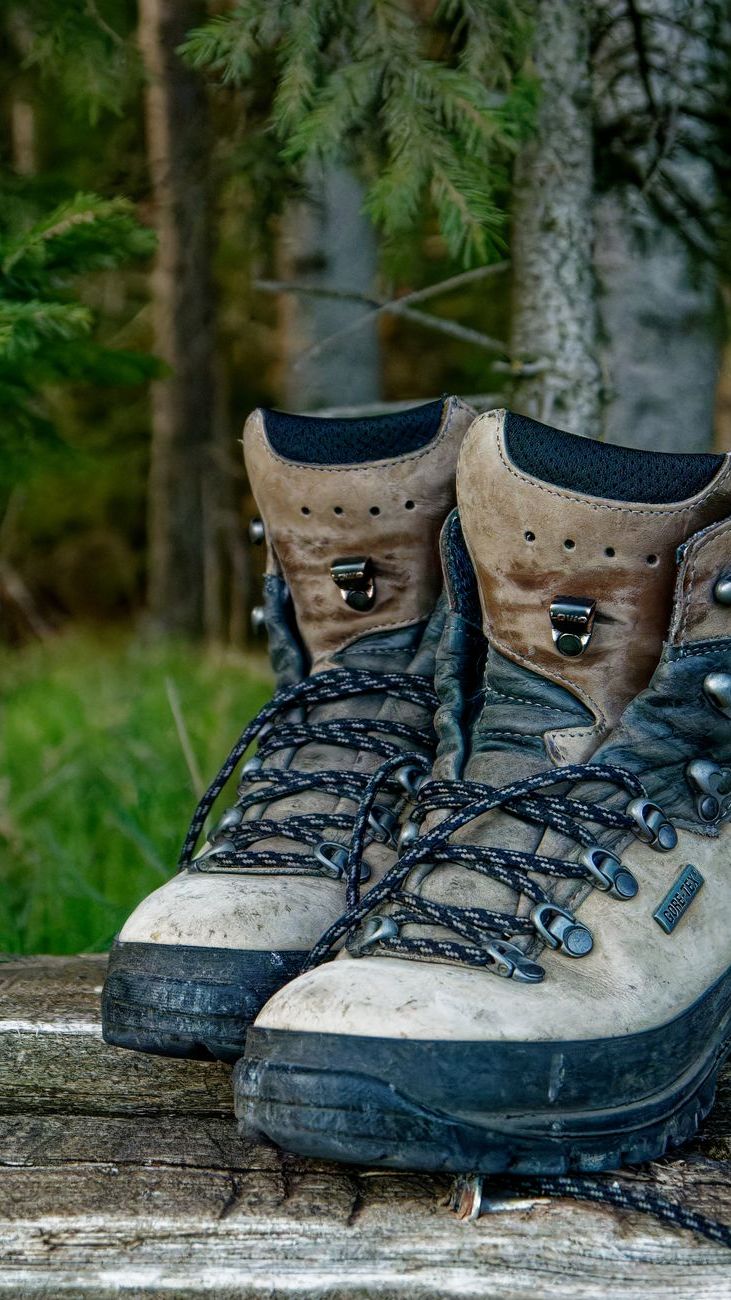
Gore-Tex footwear, for example, is known for its waterproof and breathable properties. The membrane in Gore-Tex shoes prevents water from seeping in while allowing moisture (like sweat) to escape, keeping your feet dry and comfortable. This technology has revolutionized the outdoor footwear industry, making Gore-Tex a popular choice among hikers and adventurers.
But the question remains: is a membrane necessary for waterproof hiking shoes? The answer depends on your specific needs and preferences. Membrane shoes like Gore-Tex footwear excel in keeping your feet dry in wet conditions, making them ideal for hiking in rainy or snowy environments. The breathability of these shoes also helps prevent excessive sweating and discomfort during long hikes.
On the other hand, non-membrane waterproof hiking shoes offer a different set of benefits. While they may not provide the same level of breathability as membrane shoes, non-membrane options are often more affordable and can be just as effective in keeping your feet dry on mild to moderate hikes. Additionally, some hikers prefer the simplicity and durability of non-membrane shoes for certain outdoor activities.
When choosing between membrane and non-membrane waterproof hiking shoes, consider the following factors:
- Climate and terrain: If you frequently hike in wet or rugged conditions, a membrane shoe like Gore-Tex footwear may be the better choice.
- Comfort and breathability: If breathability is a top priority for you, opt for membrane shoes that offer enhanced ventilation.
- Budget: Non-membrane waterproof hiking shoes are often more budget-friendly, making them a great option for those looking to save money without sacrificing quality.
Ultimately, the decision to choose membrane or non-membrane waterproof hiking shoes boils down to personal preference and intended use. Both types of footwear have their own advantages and limitations, so it's important to weigh your options based on your specific hiking needs.
Whether you're looking for breathable hiking boots or rugged waterproof trail shoes, understanding the differences between membrane and non-membrane footwear can help you make an informed decision when shopping for outdoor gear. With the right footwear, you can enjoy your hiking adventures to the fullest while keeping your feet dry and comfortable every step of the way.
Next time you're gearing up for a hike, consider these tips on choosing the right hiking footwear for your outdoor escapades. Stay prepared, stay comfortable, and most importantly, stay dry on your next outdoor adventure!