Training Shoes for Strength Workouts: Why Running Shoes Are Not Suitable for the Gym
Training Shoes for Strength Workouts: Why Running Shoes Are Not Suitable for the Gym
When it comes to strength training workouts, the right footwear can make a significant difference in your performance and overall safety. While many people gravitate towards running shoes for various types of exercises, including gym workouts, it's essential to understand that running shoes may not be the most suitable option for strength training. In this gym footwear guide, we will explore why training shoes are a better choice for strength workouts compared to running shoes.
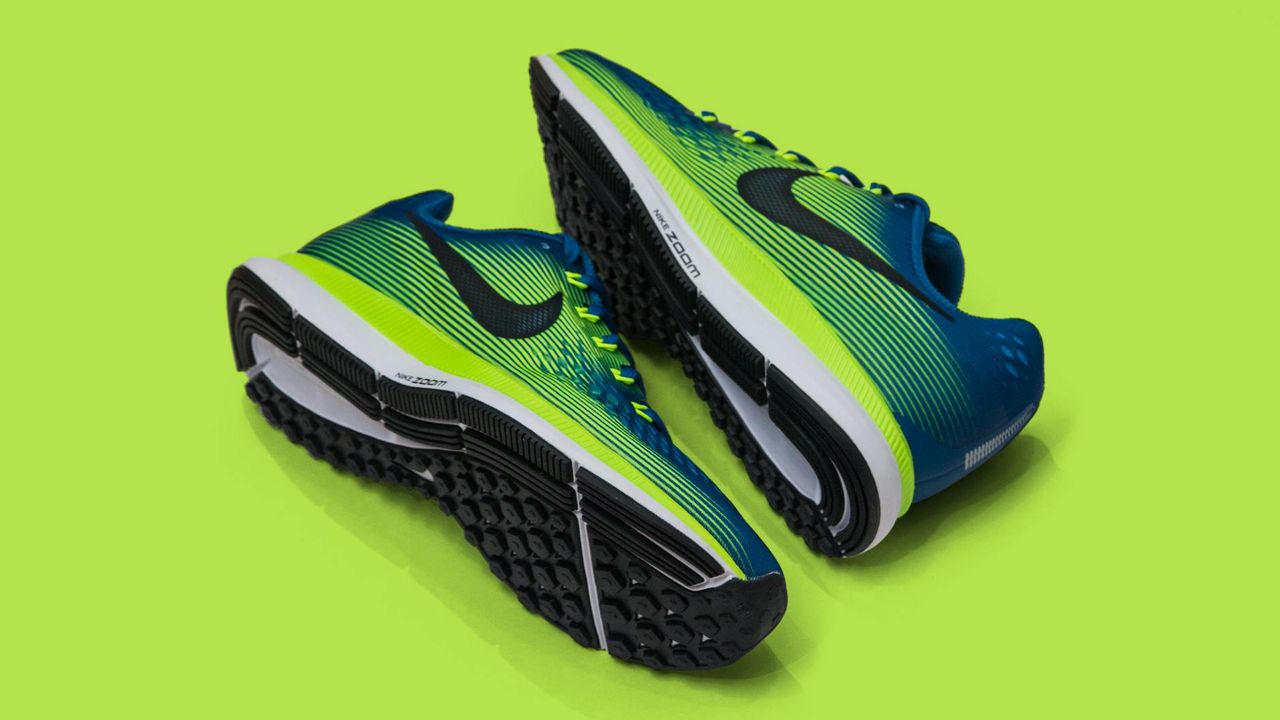
One of the key differences between training shoes and running shoes is the level of support and stability they offer. Running shoes are designed to provide cushioning and shock absorption, which is ideal for activities that involve repetitive forward motion, such as running or walking. However, when it comes to strength training, especially exercises like weightlifting, squats, or deadlifts, you need a different type of support.
Training shoes, also known as cross-training shoes or weightlifting shoes, are specifically designed to provide stability and support for lateral movements, quick transitions, and heavy lifting. These shoes feature a flat sole that helps you maintain proper form during exercises that require you to be close to the ground. The flat sole ensures that your feet are planted firmly on the ground, allowing you to exert maximum force without losing stability.
On the other hand, running shoes typically have a higher heel-to-toe drop and more cushioning, which can affect your balance and stability during strength training exercises. The elevated heel in running shoes tilts your body forward, which may alter your alignment and make it challenging to maintain proper form, especially during exercises like squats and deadlifts.
Another critical factor to consider when choosing footwear for strength workouts is the level of traction provided by the shoes. Training shoes are equipped with outsoles that offer excellent grip on various surfaces, making them ideal for exercises that involve quick changes in direction or lateral movements. This improved traction can help prevent slips and falls, especially when you are working with heavy weights.
Additionally, training shoes are more durable and resilient than running shoes when it comes to withstanding the wear and tear of strength training exercises. The materials used in training shoes are designed to withstand the pressure and abrasion caused by activities like weightlifting, making them a more reliable option for long-term use in the gym.
While running shoes excel in providing cushioning and support for cardiovascular activities like running or walking, they may not offer the same level of performance and safety for strength workouts. Investing in a pair of quality training shoes specifically designed for weightlifting and cross-training can enhance your overall workout experience and help you achieve your fitness goals more effectively.
In conclusion, when it comes to strength training workouts, the right footwear can make a significant difference in your performance and safety. By opting for training shoes over running shoes, you can ensure that your feet are properly supported, stable, and secure during various strength exercises. Remember, the right pair of gym shoes is an essential part of your strength workout gear, so choose wisely.